Deal of the day!
0
Kashmiri Saffron

Kashmir saffron—also known as “red gold”—is celebrated globally for its deep crimson-red color, robust floral‐honey aroma, and intense flavour. Cultivated traditionally in Pampore (the Saffron City of Kashmir Valley), it’s prized for high crocin content (~8.72% vs. ~6.8% from Iran), which gives its rich pigment and health benefits Wikipedia+15indiabrand.org+15brandbos.com+15Wikipedia+1.

Harvesting takes place once a year (October–November) at high altitude under precise climate conditions. Each stigma is hand-picked and sun‐dried to retain freshness. The most coveted grade “Mongra” consists of only crimson stigmas, with zero yellow/white fibres, offering maximum potency Wikipedia+1.

It’s GI‑tagged since 2020, ensuring authenticity and protecting against common adulteration issues like dyed strands or mixed Iranian saffron Reddit.

Usage:
A few strands go a long way—in milk, biryanis, Kashmiri kahwa, desserts, or beauty preparations, delivering both culinary flair and wellness benefits like antioxidants, mood support, and digestion ai

Tips to Verify Authenticity & Best Use Practices

  • Inspect the strands: Pure Mongra will be all‑red, trumpet-shaped, with no yellow filaments Amazon+1lifestyletitbits.com.
  • Smell & taste: Should carry a floral/honey aroma and a slight earthy bitterness, never sweetness or chemical notes charzanholidays.comWikipedia.
  • Infusion test: Drop a few strands in warm water—you should see a gradual golden-yellow diffusion; no red dye should appear
  • Storage: Seal in a dark airtight jar, stored in a cool, dry place to maximize shelf life
  • Color; The color of pure kashmiri saffron is slightly dim red as compared to irani saffron

📉 Why Kashmiri Saffron Remains Expensive & Rare

Recent years have seen a steep drop in production—from ~30,000 kg decades ago to just 4,000–5,000 kg today—due to factors like land conversion, climate stress, and industrial pollution Reddit. The India International Kashmir Saffron Trading Centre (IIKSTC) in Pampore now helps standardize quality and stabilize farmer incomes via e‑auction and grading certification Flipkart+3Reddit+3Reddit+3.

Its rarity, labour-intensity (40+ hours to harvest 1 kg), and high crocin content ensure its premium status both economically and gastronomically Wikipedia+1.


🧾 Summary: Which Brand to Choose?

BrandHighlights
House of SaffronISO A1+++ Mongra, airtight packaging, consistently positive reviews
AMSAAExcellent aroma and taste, especially praised for everyday use
KeynoteVacuum-packed glass jar, slow infusion indicates authenticity

If you value certification and reliability—House of Saffron is a solid choice. For premium presentation or gifting, Keynote offers elegance. And for tasty, aromatic daily use at fair value, AMSAA performs strongly.


✨ Final Thoughts

Kashmiri saffron is a fusion of heritage, rare cultivation, and unmatched sensory quality. Whether you’re using it in a luxurious Kahwa, biryani, dessert, or even a beauty ritual, authenticity matters—look for deep-red uniform threads, credible brands, and proper packaging.

Would you like guidance on how to use saffron in specific recipes or skincare routines? I’d be happy to help!

What Makes Kashmiri Saffron Unique?

Saffron, often referred to as “red gold”, is derived from the stigmas of the Crocus sativus flower. While saffron is cultivated in several parts of the world including Iran, Spain, and Afghanistan, Kashmiri saffron stands out for its:

  • Dark maroon-purple color
  • High concentration of crocin, giving it stronger coloring power
  • Rich aroma due to higher levels of safranal
  • Delicate flavor and floral notes

The primary cultivation of Kashmiri saffron takes place in the Pampore region, often called the “Saffron Town of India”, located about 15 km from Srinagar. The unique climate, altitude, and soil composition of this region contribute significantly to the saffron’s unmatched quality.

A Heritage Rooted in Time

Kashmir’s tryst with saffron dates back over 2,500 years, with ancient texts and Persian records mentioning the spice being used in rituals, medicine, and cuisine. It’s believed that Persian traders introduced the saffron corms to Kashmir, where the crop found its perfect home in the cold, dry climate.

Over time, saffron became deeply intertwined with Kashmiri culture — used in religious ceremonies, weddings, and in the preparation of traditional dishes like Kahwa (a spiced green tea), Zafrani Pulao, and Phirni.

The Labor of Love

The process of harvesting saffron is painstaking and delicate. It takes around 150,000 flowers to yield just one kilogram of saffron. The harvesting begins in late October and lasts only a few weeks. Each flower is hand-picked early in the morning, and the three delicate stigmas are carefully separated and dried.

This labor-intensive method is what makes saffron the most expensive spice in the world, but also one of the most valued.

Geographical Indication (GI) Tag

In 2020, Kashmiri saffron received the prestigious GI tag, recognizing its unique quality and origin. This not only ensures authenticity for consumers but also protects local farmers from the flood of fake or low-quality saffron that often circulates in the market.

Health Benefits of Kashmiri Saffron

Beyond its culinary use, Kashmiri saffron boasts a range of medicinal and therapeutic properties:

  • Acts as a natural antidepressant
  • Promotes heart health
  • Enhances skin complexion
  • Boosts memory and learning ability
  • Aids in digestion and menstrual health

Traditional Ayurvedic and Unani medicine have used saffron for centuries, and modern research continues to explore its antioxidant and anti-inflammatory properties.

Challenges and the Road Ahead

Despite its global fame, Kashmiri saffron cultivation has faced challenges over the years, including:

  • Declining yields due to climate change
  • Urbanization encroaching on saffron fields
  • Market adulteration and presence of counterfeit saffron
  • Lack of modern infrastructure for processing and marketing

However, initiatives by the Indian government, such as the National Saffron Mission, aim to revive and modernize saffron cultivation, ensuring better support for farmers and improved quality control.

Buying Authentic Kashmiri Saffron

To ensure you’re purchasing genuine Kashmiri saffron:

  • Look for deep red strands with orange tips
  • Check for the GI tag label
  • Prefer brands or sellers that are certified by the Spices Board of India
  • Avoid saffron that is uniformly red (may be dyed) or comes powdered

A simple test: Add a few strands to warm water or milk — genuine saffron will release a golden-yellow hue slowly, not instantly like artificial dyes.
0
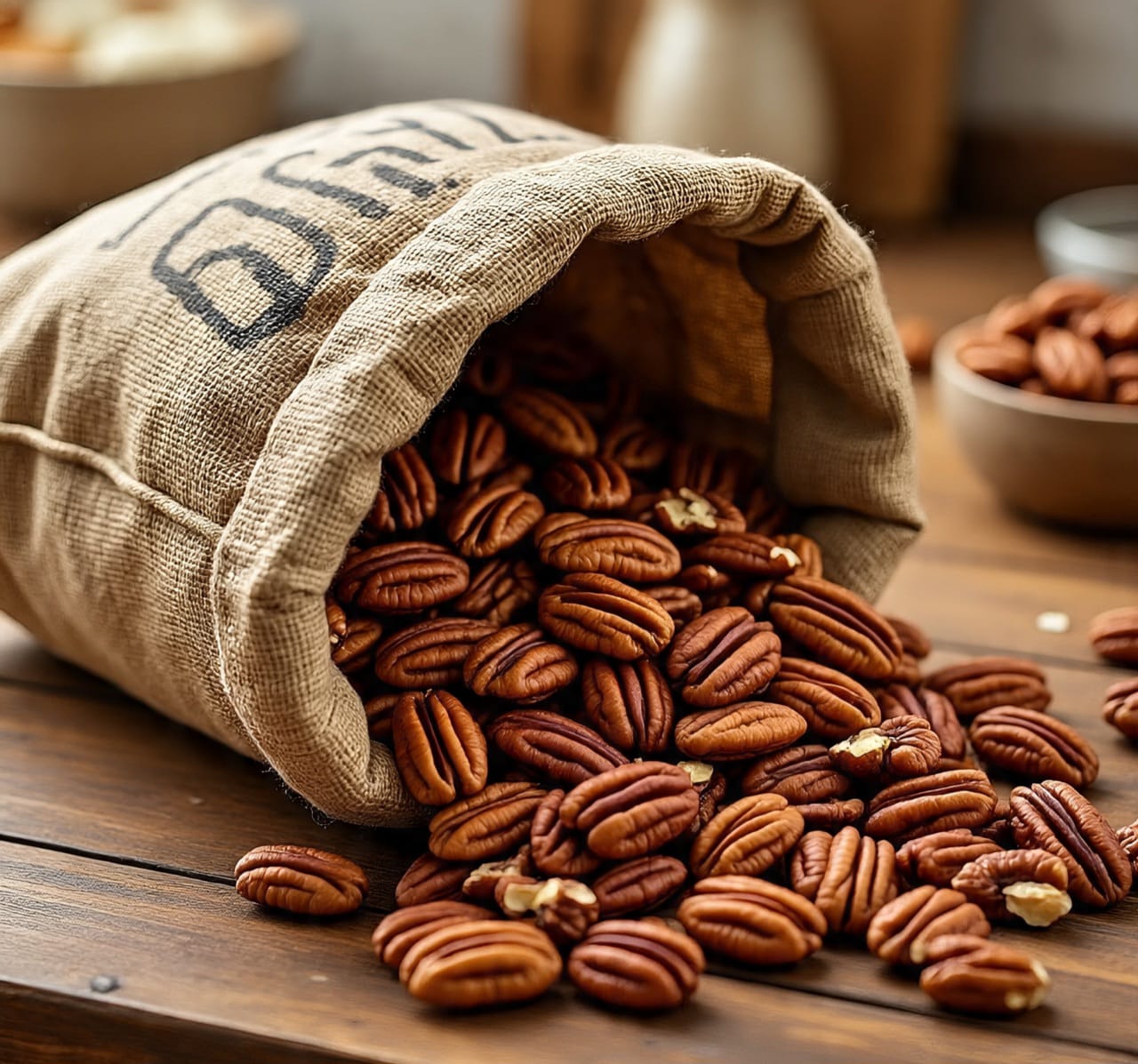
Pecan Nuts

Pecans in Kashmir are still in their early stages of cultivation, but local farmers and horticulturists are optimistic. These trees, once established, are long-living and highly productive, offering a sustainable and profitable crop. Compared to walnuts, pecans have a thinner shell, a richer, buttery flavor, and are easier to crack — qualities that appeal to both local consumers and export markets.

Moreover, with growing awareness about healthy eating, pecans are being recognized for their nutritional benefits: rich in healthy fats, antioxidants, vitamins, and fiber. If supported by proper infrastructure and marketing, Kashmiri pecans could soon become a prized addition to the valley’s rich horticultural legacy.

From apple orchards to pecan groves, Kashmir’s agricultural future is looking more diverse — and delicious — than ever.

– cyprus premium, kashmiri nuts

Pecan nuts,


🌰 What Are Pecans?

Pecans (pronounced pee-KAHNS or PEE-cans, depending on where you’re from) are tree nuts native to North America. In fact, the United States is the largest producer of pecans, with most commercial varieties coming from the southern states like Georgia, Texas, and New Mexico.

Botanically, pecans come from the Carya illinoinensis tree, a species of hickory. Their name comes from the Algonquin word pakani, which was used to describe nuts that required a stone to crack.


🧠 Health Benefits of Pecans

Don’t let their buttery taste fool you — pecans are a nutritional powerhouse. Here’s what these tasty nuts offer:

  • Heart-Healthy Fats: Pecans are rich in monounsaturated fats, the same type of fat found in olive oil and avocados. These can help lower “bad” LDL cholesterol.
  • Antioxidants: Pecans rank among the top nuts for antioxidant content. They’re high in vitamin E, ellagic acid, and flavonoids, which combat oxidative stress and inflammation.
  • Brain Support: Thanks to their vitamin B1 (thiamine), copper, and manganese, pecans may help protect cognitive function and support brain health over time.
  • Fiber-Rich: A single ounce (about 19 halves) offers 3 grams of dietary fiber, aiding in digestion and promoting satiety.
  • Naturally Low in Sugar: Despite their sweet taste, pecans are low in sugar, making them a great choice for low-carb or diabetic-friendly diets.

🍽️ Culinary Uses

Pecans are one of the most versatile nuts in the kitchen. Here are some ways to enjoy them:

  • Pecan Pie: The quintessential Southern dessert, rich and sweet, perfect for holidays.
  • Salads: Toasted pecans add crunch and depth to leafy greens or grain bowls.
  • Pecan-Crusted Proteins: Crushed pecans make a flavorful crust for chicken, fish, or tofu.
  • Trail Mix: Combine with dried fruits, dark chocolate, and seeds for an energy-boosting snack.
  • Nut Butter: Pecan butter is smooth, rich, and a unique alternative to peanut butter.

Pro tip: Toasting pecans (just 5–7 minutes in a dry pan or oven) intensifies their flavor dramatically.


🌿 Sustainability & Farming

Pecan trees can live for hundreds of years, and their deep roots help with soil health and water retention. While they do require consistent watering — especially during nut development — pecans are a relatively sustainable crop when grown with care. Many small family farms in the U.S. have cultivated pecans for generations, contributing to both local economies and biodiversity.


🛒 Buying & Storing Tips

  • Look for: Plump, uniform nuts with a rich brown color. Organic and raw options are best if you plan to roast them yourself.
  • Avoid: Pecans with a bitter or rancid smell — they’ve likely gone bad due to their high oil content.
  • Storage: Keep pecans in an airtight container. For long-term storage, the fridge or freezer prevents spoilage and extends freshness.

🧁 Final Thoughts

Pecans are more than just a delicious snack — they’re a symbol of American agricultural history, a healthful addition to your diet, and a true culinary gem. Whether you enjoy them in sweet treats or savory dishes, there’s always a good reason to add a handful of pecans to your day.

Have a favorite pecan recipe or memory? Share it in the review below!

0
Kashmiri Curved Mamra Badam

If there’s one nut that carries the essence of Kashmir’s rich soil, cool climate, and centuries-old agricultural heritage, it is the Kashmiri Curved Mamra Badam. Often referred to as the “royalty of almonds,” this unique variety of almond is far more than a snack – it’s a cultural symbol and a nutritional powerhouse.

Enjoy our premium kashmiri Mamra

A gift from heaven

What is Kashmiri Mamra Badam?

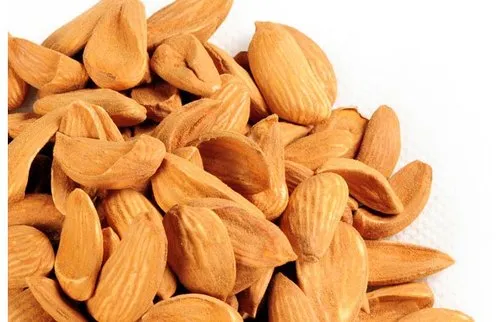
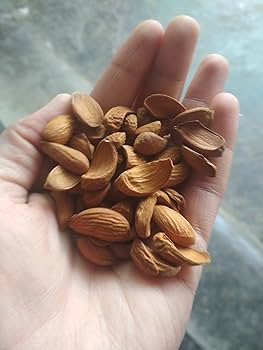
Mamra Badam is a variety of almond known for its high oil content, crunchiness, and naturally sweet flavor. While Mamra almonds are also grown in regions like Iran and Afghanistan, the Kashmiri variant stands apart due to its distinctive curved shape, rich taste, and limited production.

Hand-harvested from the pristine valleys of Kashmir, these almonds are grown without chemical fertilizers or pesticides, making them 100% organic and natural. The harsh Himalayan winters and mineral-rich soil contribute to the nut’s dense nutrient profile and full-bodied flavor.

How is It Different from Regular Almonds?

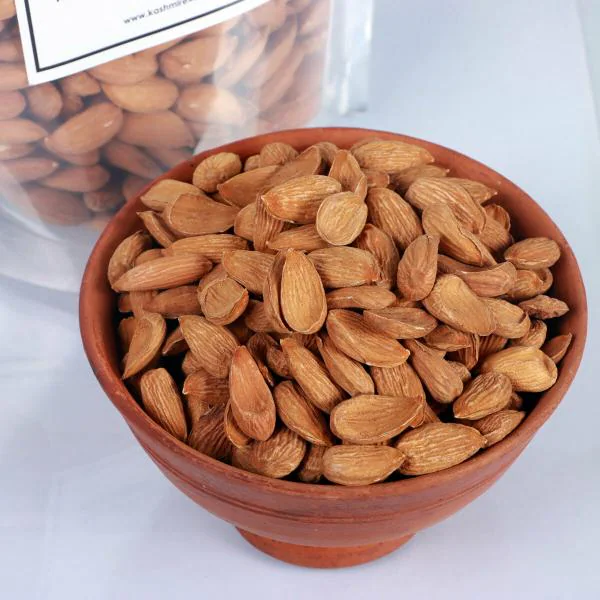
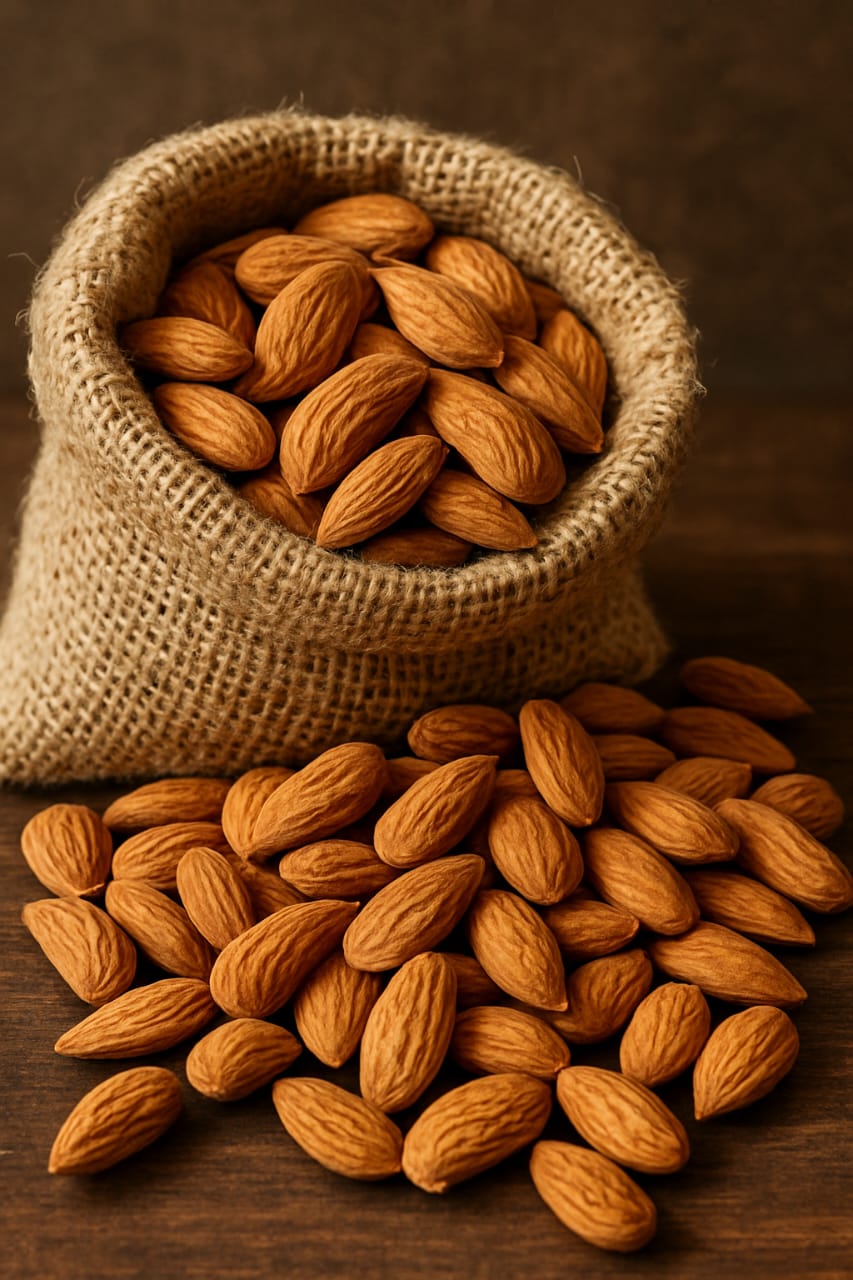
  1. Curved Shape: The most visible difference is the shape. Unlike the flat California almonds, Kashmiri Mamra Badam has a curved, almost “C” shape, which is why it’s often called “curved Mamra”.
  2. High Oil Content: These almonds contain up to 50% more oil than regular almonds, which gives them a rich texture and buttery taste.
  3. Naturally Grown: Cultivated without synthetic inputs, these almonds are as close to wild-grown as it gets.
  4. Scarcity & Exclusivity: Only a limited quantity is harvested each year, making it a premium and sometimes pricey product.

Nutritional Benefits

Kashmiri Curved Mamra Badam isn’t just about taste – it’s packed with health benefits:

  • Brain Booster: High in riboflavin and L-carnitine, which are known to support brain health and cognitive function.
  • Heart Friendly: The mono-unsaturated fats help reduce bad cholesterol and improve heart health.
  • Immunity Enhancer: Rich in antioxidants, Vitamin E, magnesium, and zinc – essential for boosting immunity.
  • Skin & Hair Health: The high oil content nourishes from within, giving you glowing skin and stronger hair.
  • Ideal for Growing Children: These almonds provide vital nutrients that aid in development and bone health.

How to Use Kashmiri Mamra Badam

Traditionally, Mamra almonds are soaked overnight and eaten the next morning, peeled for easy digestion. Here are a few other popular ways to use them:

  • As a Morning Ritual: Soak 5-7 almonds overnight, peel and consume on an empty stomach.
  • In Desserts: Add to kheer, halwa, or phirni for that extra crunch and richness.
  • In Trail Mixes: Combine with walnuts, raisins, and figs for a healthy energy booster.
  • Almond Milk: Blend soaked Mamra almonds for homemade almond milk that’s creamier than store-bought versions.
  • Ayurvedic Pastes: Often ground into pastes for children and elders in traditional Kashmiri homes.

Why the High Price Tag?

The price of Kashmiri Mamra Badam can be 2 to 3 times higher than other almond varieties. This is because of:

  • Limited cultivation area
  • Manual harvesting and sorting
  • Low yield per tree
  • High demand, especially from health-conscious and luxury buyers

However, for those who prioritize purity, taste, and nutrition, the investment is worth every rupee.

Final Thoughts

Kashmiri Curved Mamra Badam is more than just a nut—it’s a heritage food that offers unmatched flavor and health benefits. Whether you’re a health enthusiast, a foodie, or someone who appreciates premium produce, this almond is a worthy addition to your diet.

Next time you’re shopping for dry fruits, consider choosing the curved gem from Kashmir. Your body—and taste buds—will thank you.Kashmiri Curved Mamra Badam – The Royal Nut of the Himalayas

If there’s one nut that carries the essence of Kashmir’s rich soil, cool climate, and centuries-old agricultural heritage, it is the Kashmiri Curved Mamra Badam. Often referred to as the “royalty of almonds,” this unique variety of almond is far more than a snack – it’s a cultural symbol and a nutritional powerhouse.

What is Kashmiri Mamra Badam?

Mamra Badam is a variety of almond known for its high oil content, crunchiness, and naturally sweet flavor. While Mamra almonds are also grown in regions like Iran and Afghanistan, the Kashmiri variant stands apart due to its distinctive curved shape, rich taste, and limited production.

Hand-harvested from the pristine valleys of Kashmir, these almonds are grown without chemical fertilizers or pesticides, making them 100% organic and natural. The harsh Himalayan winters and mineral-rich soil contribute to the nut’s dense nutrient profile and full-bodied flavor.

How is It Different from Regular Almonds?

  1. Curved Shape: The most visible difference is the shape. Unlike the flat California almonds, Kashmiri Mamra Badam has a curved, almost “C” shape, which is why it’s often called “curved Mamra”.
  2. High Oil Content: These almonds contain up to 50% more oil than regular almonds, which gives them a rich texture and buttery taste.
  3. Naturally Grown: Cultivated without synthetic inputs, these almonds are as close to wild-grown as it gets.
  4. Scarcity & Exclusivity: Only a limited quantity is harvested each year, making it a premium and sometimes pricey product.

Nutritional Benefits

Kashmiri Curved Mamra Badam isn’t just about taste – it’s packed with health benefits:

  • Brain Booster: High in riboflavin and L-carnitine, which are known to support brain health and cognitive function.
  • Heart Friendly: The mono-unsaturated fats help reduce bad cholesterol and improve heart health.
  • Immunity Enhancer: Rich in antioxidants, Vitamin E, magnesium, and zinc – essential for boosting immunity.
  • Skin & Hair Health: The high oil content nourishes from within, giving you glowing skin and stronger hair.
  • Ideal for Growing Children: These almonds provide vital nutrients that aid in development and bone health.

How to Use Kashmiri Mamra Badam

Traditionally, Mamra almonds are soaked overnight and eaten the next morning, peeled for easy digestion. Here are a few other popular ways to use them:

  • As a Morning Ritual: Soak 5-7 almonds overnight, peel and consume on an empty stomach.
  • In Desserts: Add to kheer, halwa, or phirni for that extra crunch and richness.
  • In Trail Mixes: Combine with walnuts, raisins, and figs for a healthy energy booster.
  • Almond Milk: Blend soaked Mamra almonds for homemade almond milk that’s creamier than store-bought versions.
  • Ayurvedic Pastes: Often ground into pastes for children and elders in traditional Kashmiri homes.

Why the High Price Tag?

The price of Kashmiri Mamra Badam can be 2 to 3 times higher than other almond varieties. This is because of:

  • Limited cultivation area
  • Manual harvesting and sorting
  • Low yield per tree
  • High demand, especially from health-conscious and luxury buyers

However, for those who prioritize purity, taste, and nutrition, the investment is worth every rupee.

Final Thoughts

Kashmiri Curved Mamra Badam is more than just a nut—it’s a heritage food that offers unmatched flavor and health benefits. Whether you’re a health enthusiast, a foodie, or someone who appreciates premium produce, this almond is a worthy addition to your diet.

Next time you’re shopping for dry fruits, consider choosing the curved gem from Kashmir. Your body—and taste buds—will thank you.

0
Kashmiri Walnuts

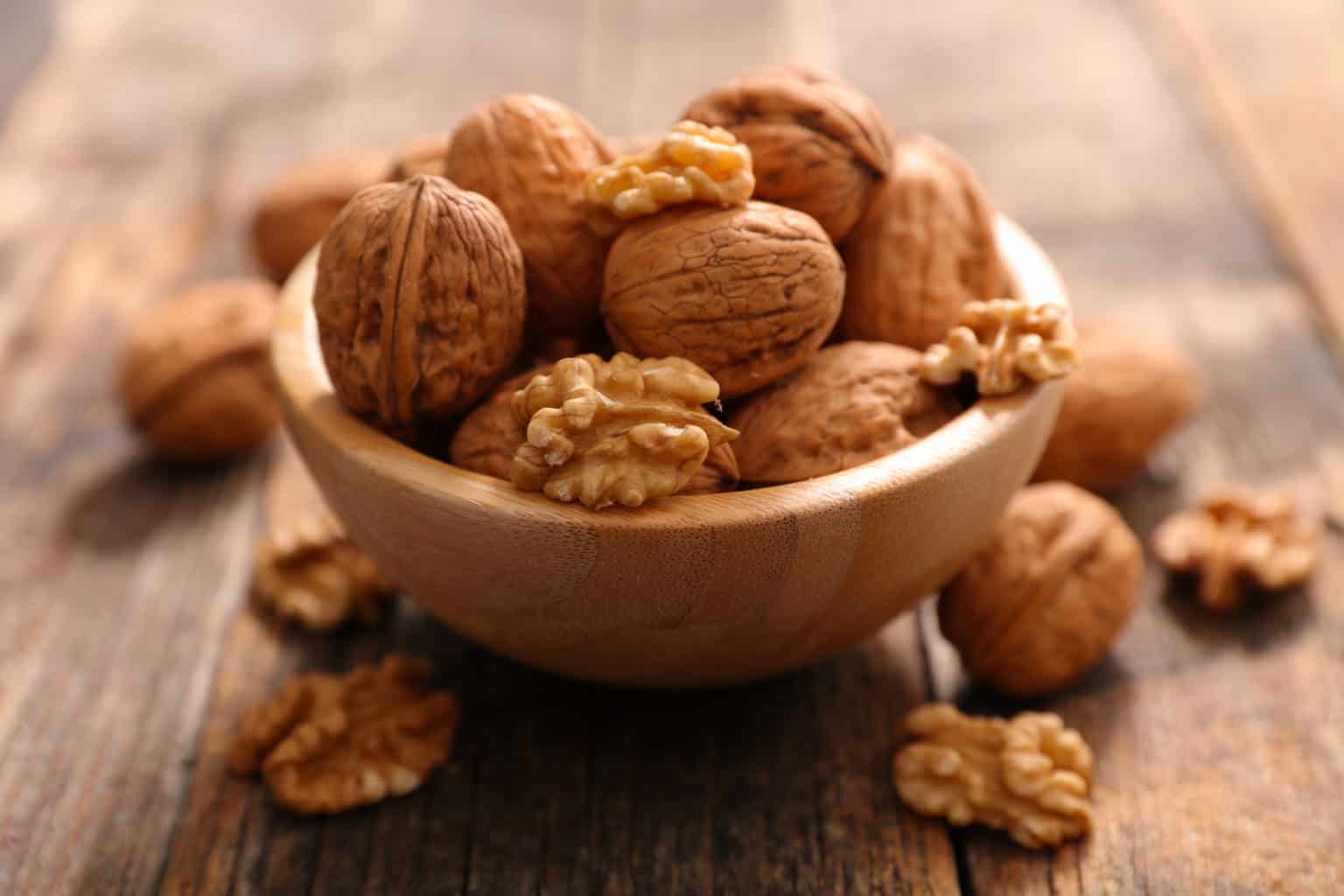
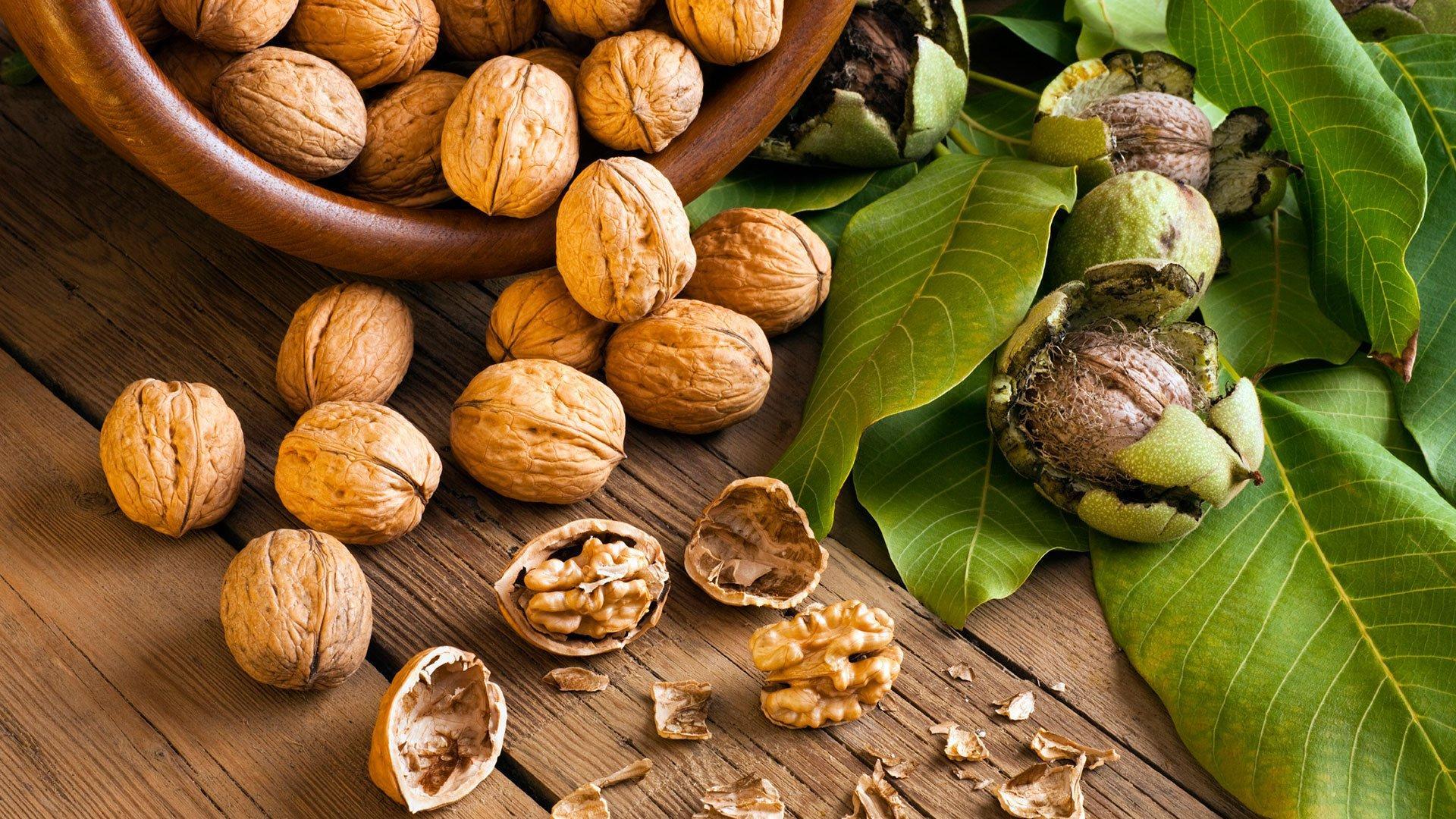
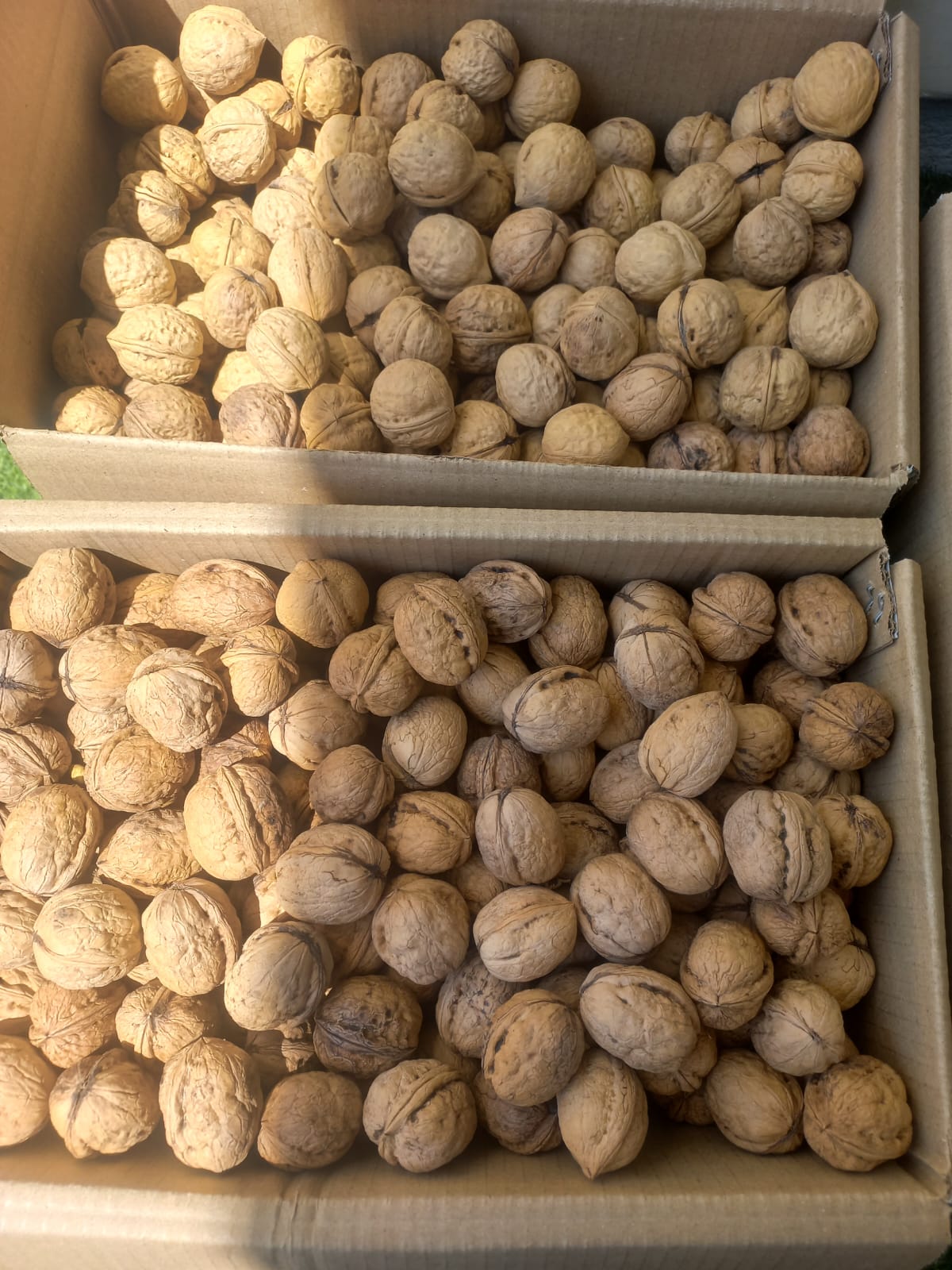
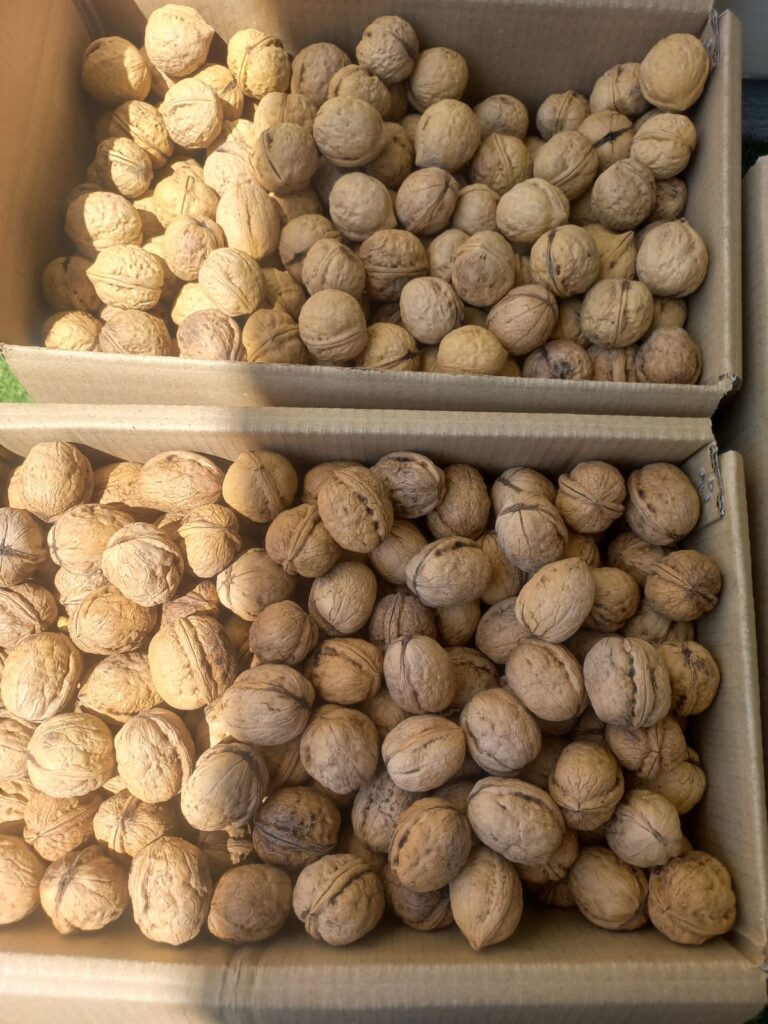
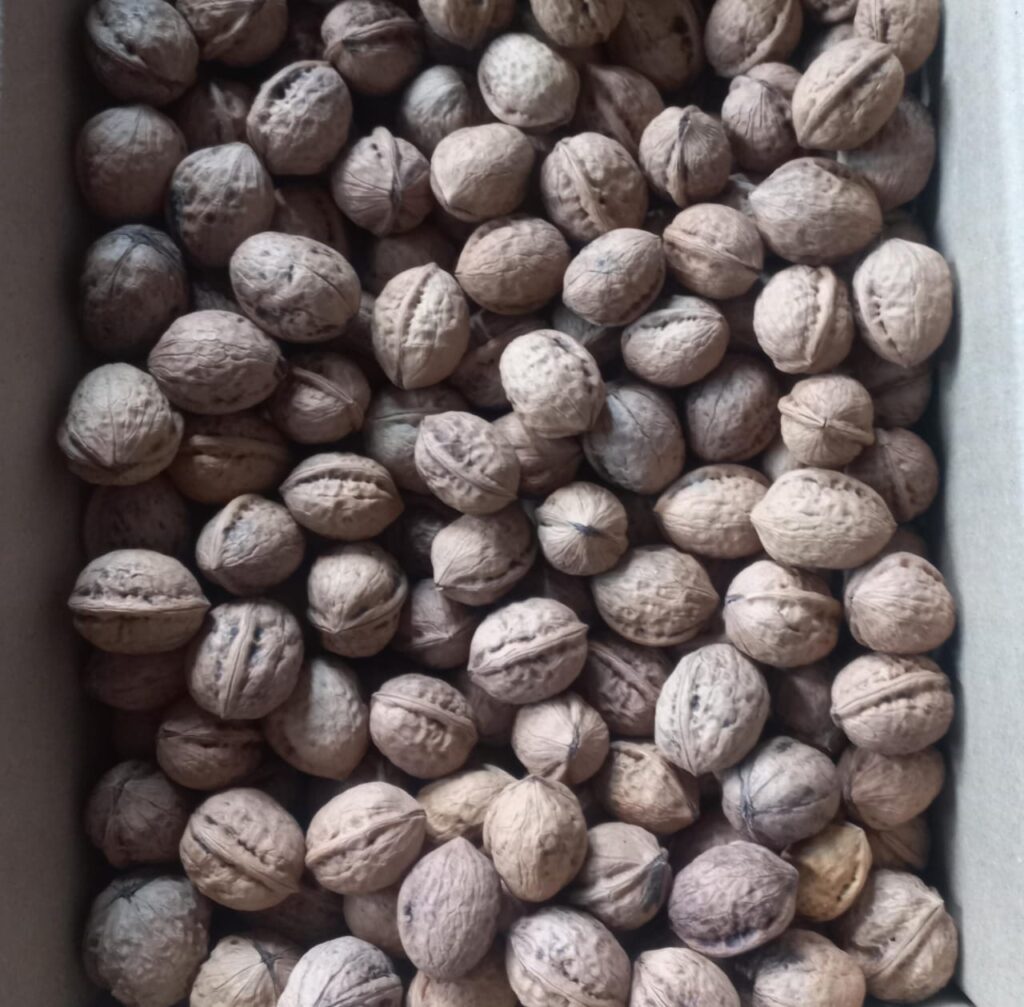
In India walnuts are produced mostly in the valley of kashmir. kashmir supplies around 70 percent of India’s walnut

Grown in the unique climatic condition kashmiri walnuts are considered as world most tasty and crunchy walnuts with highest oil concentration around 55 percent.

  • Anatnag
  • Budgam
  • Kupwara
  • Pulwama
  • Shopian
  • Ganderbal

WALNUTS

A Legacy Rooted in Nature

Kashmir’s temperate climate, rich soil, and abundant rainfall create ideal conditions for walnut cultivation. The region primarily grows three types of walnuts: paper-shell (thin shell), semi-paper, and hard-shell varieties. Among these, the paper-shell variety is the most prized for its ease of cracking and higher kernel yield.

Unlike many commercial walnut-producing regions where trees are grafted, most walnut trees in Kashmir are grown from seed — resulting in genetic diversity and richer, more complex flavors.

Nutritional Powerhouse

Kashmiri walnuts are packed with health benefits:

  • Rich in Omega-3 fatty acids: Great for heart health and brain function.
  • High in antioxidants: Help fight inflammation and slow aging.
  • Good source of protein and fiber: A smart choice for snacking or adding to meals.
  • Contains vitamins and minerals: Including Vitamin E, B6, folate, and magnesium.

Whether you eat them raw, roasted, or soaked overnight, walnuts are a simple way to boost your overall well-being.

Harvesting the Old-Fashioned Way

What sets Kashmiri walnuts apart is their traditional method of harvesting. Every autumn, farmers use long sticks to gently shake the walnut trees, letting the nuts fall to the ground naturally. After collection, they are sun-dried and shelled — often by hand — to preserve their quality. This artisanal approach ensures minimal use of chemicals and maintains the integrity of the nut.

Culinary Versatility

In Kashmiri cuisine, walnuts are more than just a snack. They are ground into gravies, stuffed into breads like walnut kulchas, added to chutneys, and even used in desserts. They lend a delightful crunch and earthy flavor that balances the aromatic spices typical of the region’s food.

Try adding crushed Kashmiri walnuts to yogurt with honey, mixing them into your morning oats, or using them as a base for pesto. Their subtle sweetness and rich texture make them incredibly versatile.

Sustainability and Livelihood

Walnut farming in Kashmir supports thousands of families. For many small-scale farmers, it’s a primary source of income. As awareness grows around organic and naturally grown produce, Kashmiri walnuts have found a strong demand in global markets, especially for their purity and flavor.

However, the industry faces challenges such as lack of modern processing infrastructure, inconsistent pricing, and logistical hurdles due to the region’s geography. Supporting local cooperatives and fair-trade initiatives can help ensure a more sustainable future for these farmers.

The Takeaway

Kashmiri walnuts are more than just a health food — they are a symbol of the region’s heritage, resilience, and connection to nature. When you crack open a walnut from Kashmir, you’re not just getting a nutritious bite, but also a taste of a centuries-old tradition rooted in the heart of the Himalayas.

So the next time you’re looking for a snack that’s as nourishing as it is authentic, reach for a handful of Kashmiri walnuts — and savor the goodness of the valley.

🥜 Top Benefits of Eating Walnuts Daily

1. Supports Heart Health ❤️

Walnuts are rich in omega-3 fatty acids, particularly alpha-linolenic acid (ALA), which helps reduce bad cholesterol (LDL), lower blood pressure, and improve overall heart function. Regular walnut intake is associated with a lower risk of cardiovascular diseases.

2. Boosts Brain Function 🧠

Often called “brain food”, walnuts contain polyunsaturated fats, antioxidants, and vitamin E — all of which support memory, focus, and cognitive health. They may also help protect against age-related brain decline.

3. Improves Gut Health 🌿

Eating walnuts daily helps increase beneficial gut bacteria, especially butyrate-producing bacteria, which are crucial for digestive health and reducing inflammation.

4. Fights Inflammation 🔥

Walnuts are loaded with antioxidants, including polyphenols, which combat oxidative stress and inflammation — two key drivers of chronic diseases like diabetes, arthritis, and cancer.

5. Supports Weight Management ⚖️

Despite being calorie-dense, walnuts are satiating. They help control appetite, curb unhealthy cravings, and support metabolic health. The healthy fats and fiber promote a feeling of fullness.

6. Enhances Skin & Hair Health ✨

The Vitamin E and healthy fats in walnuts nourish the skin and scalp, keeping them hydrated and reducing signs of aging. Biotin in walnuts may also support stronger hair.

7. Regulates Blood Sugar Levels 🩸

Walnuts have a low glycemic index and are high in fiber and healthy fats, which help regulate blood sugar levels — making them ideal for people with or at risk of type 2 diabetes.

8. Rich in Essential Nutrients 🧾

Walnuts are a good source of:

  • Magnesium (supports muscle and nerve function)
  • Copper (supports immune and cardiovascular health)
  • Folate & B6 (important for brain and mood)
  • Plant-based protein (great for vegetarians and vegans)

📝 How Much to Eat?

A healthy daily serving is 1 ounce (about 7 whole walnuts or 14 halves). That’s around 180 calories — perfect as a snack, in smoothies, or sprinkled on salads.

Cyprus

0
Three dry fruits to eat daily

Eating a dry fruit is an easy task but are you eating a right dry fruit at right time.

Below are Top Three chosen dry fruits for you:

  1. Support Heart Health: walnuts are enriched in omega-3 fatty acid, antioxidants and other compounds that may help. University from texas tech conducted a study to analyze what will be the impact on two groups of people one eating walnuts daily others not. Their findings showed that people who consume the diet with walnuts had higher levels of amino acid -L in their guts so there are less chances of cardiovascular diseases.
    • Walnuts help in lower cholesterol levels.
    • helps in reduce triglycerides
    • Improve blood vessel functions
  2. Improve Bone Health: You cannot believe in the ancient time and still in some places walnuts are considered a best remedy for weak health. Walnuts are rich in essential nutrients. omega3 fatty acid in the walnuts help in calcium absorption.
  3. Lowers the risk of cancers: The anti-inflammatory and antioxidant compounds found in walnuts may offer protection against certain types of cancers.
  4. Gut Health: Walnuts offers a great support in promoting a healthy gut health. walnuts are enriched with fibers and their regular bowel movement, promote the grown of beneficial gut bacteria.
  5. Healthy aging: Consuming walnuts daily maintain your health even as you grow old. Study conducted in 2019 showed that people who have good eating habits and eat walnuts in their routine have well health even in old ages. Though relatively high in calories, walnuts are packed with essential vitamins, minerals, fiber, fats, and plant compounds that may help support good physical functioning as you age.

In addition, eating walnuts have following health benefits

  • are rich in antioxidants and can reduce LDL (bad) cholesterol
  • are significantly higher in omega-3s than any other nut
  • may decrease inflammation
  • may help manage and lower your risk for type 2 diabetes
  • may help lower your blood pressure
  • may benefit brain health
  • may improve sperm health and male fertility
  • are an excellent source of healthy fats, vitamins, and minerals

Mostly people think that pecan nuts are grown only in America but actually we have pecan nuts in kashmir too particularly in ponch district of jammu and kashmir

Pecans are rich in monounsaturated fats, fiber, and essential nutrients like vitamin E, magnesium, and zinc. They support heart health by lowering LDL cholesterol, aid in blood sugar control, and promote brain function.

Benefit AreaKey Effects
Heart & CholesterolLowers LDL/TG, supports vessel health
Blood SugarStable glycemic response
Brain & ImmunitySupports neurotransmitters, defends cells
Bone HealthMaintains density and strength
Digestive HealthRegulates digestion, fuels gut flora
WeightPromotes fullness, healthy snacking
Skin & EyesProtects from oxidative damage

🔑 Tips to Maximize Benefits

  • Stick to raw, unsalted pecans—avoid sweet or salted varieties.
  • Replace less healthy snacks (chips, sweets) with a modest daily portion (~30 pecans).


Did you know pistachios are one of the oldest flowering nut trees, dating back thousands of years? These little green gems aren’t just delicious—they’re also packed with goodnes

Heart-Healthy: Full of good fats that help keep cholesterol in check.
Protein Power: A great plant-based protein snack, perfect for vegans and vegetarians.
Rich in Antioxidants: Helps protect your cells and keeps you feeling youthful.
Weight-Friendly: Naturally low in calories and high in fiber, so they keep you fuller for longer.

Enjoy pistachios as a snack, toss them into salads, blend into pesto, or sprinkle over desserts for a delightful crunch.

Fun Fact: The pistachio is called the “smiling nut” in Iran and the “happy nut” in China—no wonder they make us feel good!

1
Kashmiri Dry fruits

🌰 The Essence of Kashmiri Dry Fruits

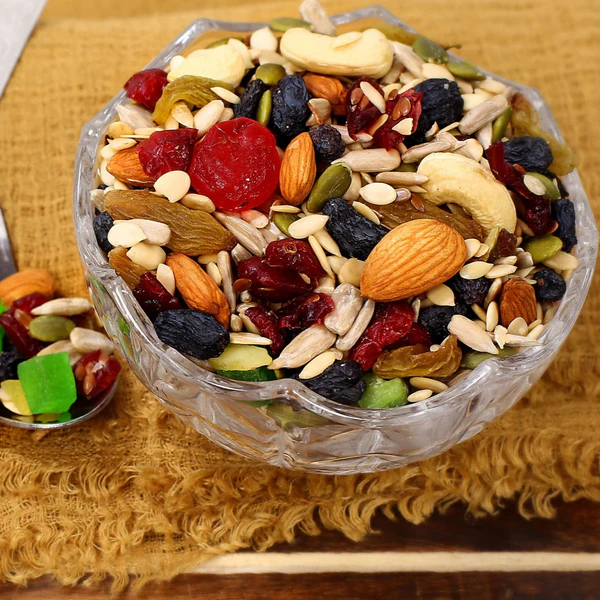
Kashmiri dry fruits encompass a variety of nuts and fruits, each contributing unique flavors and textures to the local cuisine. Some of the most cherished dry fruits include: shop now all kashmiri dryfruits

  • Walnuts: Kashmir is famed for its high-quality walnuts, which are a staple in many dishes. They are not only delicious but also packed with nutrients.
  • Almonds: These are commonly used in desserts and beverages, adding a rich flavor and a crunchy texture.
  • Pistachios: Often incorporated into sweets and rice dishes, pistachios add a delightful crunch and a hint of sweetness.
  • Apricots: Dried apricots are used in traditional desserts and are valued for their sweet-tart flavor and health benefits.
  • Wazwan: This elaborate multi-course meal features dishes like Dum Alve (dumplings) and Nadur Monje (lotus stem fritters), often garnished with dry fruits.
  • Phirin: A sweet pudding made with condensed milk and semolina, enriched with dry fruits such as almonds and pistachios.
  • Shufta: A traditional dessert made with a mix of dry fruits and spices, offering a delightful combination of flavors.
  • Kashmiri Pulao: A fragrant rice dish cooked with a variety of spices and dry fruits, providing a perfect balance of sweet and savory.

🌿 Health Benefits of Kashmiri Dryfruits

In addition to their culinary uses, Kashmiri dry fruits offer numerous health benefits:

  • Rich in Nutrients: Dry fruits like walnuts and almonds are excellent sources of essential nutrients, including healthy fats, proteins, vitamins, and minerals.
  • Heart Health: The omega-3 fatty acids found in walnuts contribute to heart health by reducing bad cholesterol levels.
  • Antioxidant Properties: Many dry fruits are rich in antioxidants, which help combat oxidative stress and reduce inflammation.
  • Digestive Health: The dietary fiber in dry fruits aids in digestion and promotes gut health.
0
    0
    Your Cart
    Your cart is emptyReturn to Shop
    Call Now